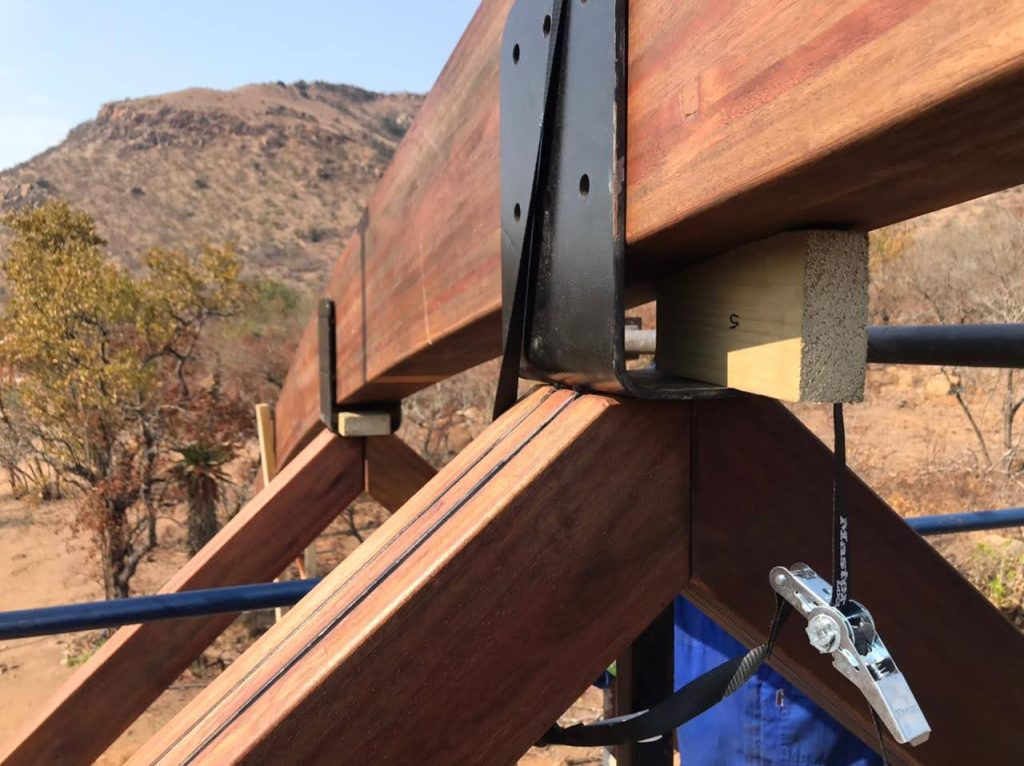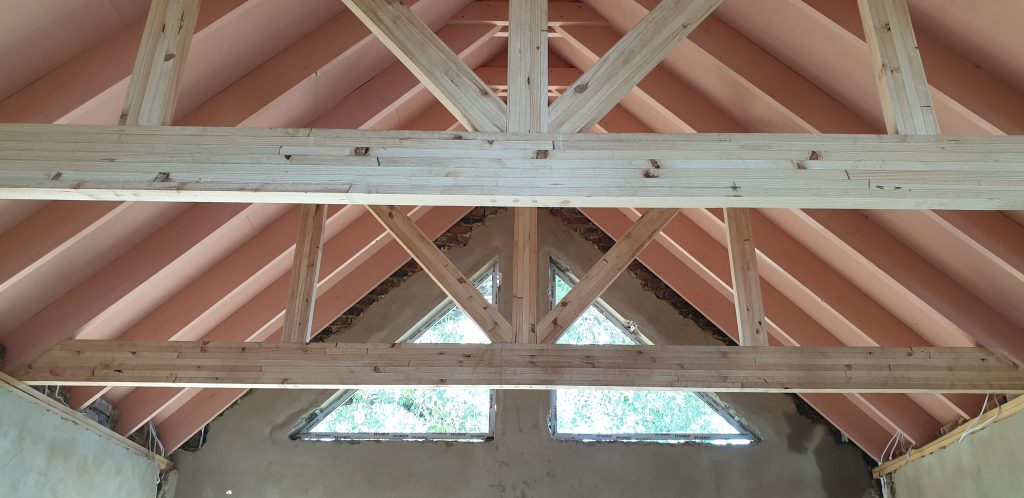
Timber laminated beams, including curved options, are versatile and widely used in various construction applications due to their strength, aesthetic appeal, and flexibility in design. Here are some key applications:
- Structural Support in Buildings – Used as main beams in residential and commercial buildings, providing robust support for roofs and floors.
- Curved Roof Structures – Ideal for creating elegant, curved roof designs in auditoriums, sports facilities, and other architectural landmarks.
- Bridges – Employed in pedestrian and vehicle bridges where aesthetic value and strength are important, often allowing for longer spans.
- Open Spaces – Perfect for applications requiring large open spaces, such as gymnasiums and exhibition halls, as they can minimize the need for internal columns.
- Canopies and Overhangs – Used in exterior canopies and overhangs for buildings, providing shelter while adding to the visual appeal.
- Commercial and Retail Spaces – Applied in commercial buildings for structural elements that enhance design, such as vaulted ceilings and large entryways.
- Residential Design Features – Incorporated into residential homes as exposed beams for aesthetic purposes, adding warmth and character to interiors.
- Stadiums and Arenas – Utilized in the construction of stadiums and arenas for roofs that require both strength and visual impact.
- Timber Frame Construction – Commonly used in timber frame construction, providing the structural integrity needed for modern design trends.
- Pavilions and Outdoor Structures – Ideal for pavilions, gazebos, and other outdoor structures where both strength and visual appeal are important.
Curved laminated beams, in particular, allow for innovative architectural designs, enabling smooth lines and creative forms that can enhance the overall aesthetic of a building.
Laminated Timber Beam Calculator
Span: ${span.toFixed(2)} m
Load: ${load.toFixed(2)} kN/m²
Bending Moment: ${bendingMoment} kNm
Shear Force: ${shearForce} kN
Design Stress:
- Bending Utilization: ${designStress.bendingUtilization}
- Shear Utilization: ${designStress.shearUtilization}